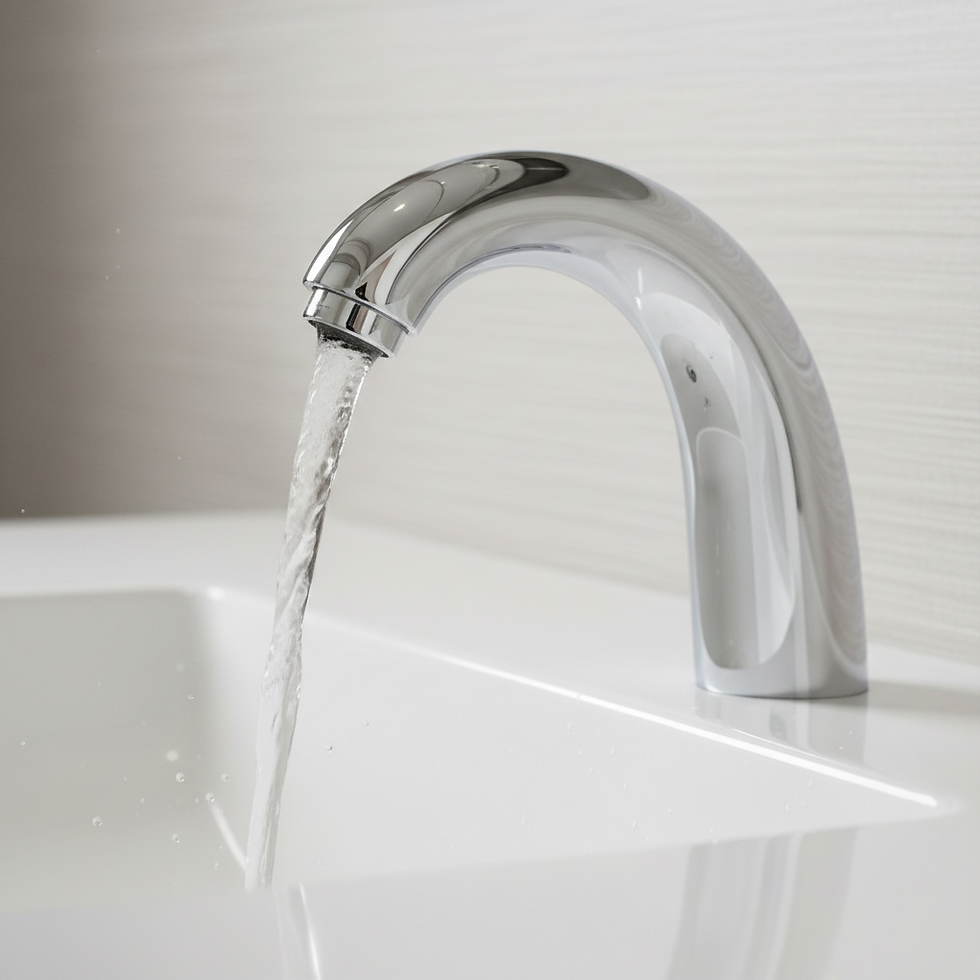
Approved Document G: Hot Water Safety
Plain English guidance for new build homeowners
Approved Document G gives guidance on sanitation, hot water safety, water efficiency and related services in homes. For new build homeowners, this can relate to hot water temperature, taps, showers, baths, WCs, basins and visible plumbing issues.
Hot water safety
Hot water systems should be installed so that safety risks are controlled, particularly around baths, showers and outlets where high water temperatures may cause concern.
What Approved Document G covers
Approved Document G gives guidance linked to sanitation, hot water safety, water efficiency and related services in homes. For homeowners, the most visible issues are usually found around bathrooms, WCs, taps, showers, baths and plumbing installations.
Sanitary facilities
Bathrooms, WCs, basins, baths and showers should be installed so they are usable, complete and properly finished.
Water efficiency
New homes are expected to meet water efficiency requirements, which can relate to fittings, flow rates and sanitary appliances.
Visible plumbing issues
Leaks, loose fittings, poor sealing, damaged sanitaryware, missing parts or incomplete plumbing works should be recorded clearly.
Common hot water and sanitary issues homeowners may notice
Poor sealing
Gaps, messy sealant or missing sealant around baths, showers, basins and WCs can allow water to escape or cause damage over time.
Damaged sanitaryware
Chipped baths, cracked basins, damaged toilet pans, scratched taps or marked shower trays should be raised before they are accepted as homeowner damage.
Some issues linked to hot water, bathrooms and sanitary fittings are visible during a snagging inspection. These should be recorded clearly so the homeowner can raise them with the developer or aftercare team.
Loose fittings
Taps, shower fittings, wastes, toilet seats, basins or bath panels may be loose, poorly fixed or unfinished.
Hot water concerns
Concerns about very hot water, inconsistent temperatures or missing information about controls should be recorded and raised with the developer.
Leaks or staining
Visible leaks, water staining, damp marks or signs of water escape should be photographed and recorded.
Incomplete works
Missing panels, unfinished boxing, exposed gaps, poorly fitted wastes or incomplete plumbing finishes should be clearly listed.
Where Approved Document G may be relevant
Bathrooms and WCs
Issues around sanitaryware, basins, baths, showers, WCs and wastes should be recorded with clear photos and locations.
Approved Document G may be relevant where concerns relate to sanitation, hot water safety, water efficiency or the installation of sanitary fittings. For homeowners, this may include bathrooms, WCs, basins, baths, showers, taps, wastes, visible pipework and hot water controls.
Not every visible defect is a Building Regulations issue. Some concerns may relate to workmanship, manufacturer guidance, warranty standards, developer tolerances or incomplete finishing. The important point is to record the issue clearly and raise it through the correct route.
Hot water safety
Concerns about very hot water, temperature control or missing information should be raised with the developer for clarification.
Water escape risks
Poor sealing, leaks, staining or gaps around wet areas should be recorded as early as possible.
Finish and usability
Loose fittings, damaged sanitaryware, incomplete panels or poor plumbing finishes may still need raising even if they are not formal compliance matters.
Where snagging fits in
Visible issues
The inspection records visible concerns such as leaks, poor sealing, damage, loose fittings and incomplete work.
A snagging inspection can help homeowners record visible bathroom, plumbing and sanitaryware issues clearly before or after completion. This may include poor sealing, damaged sanitaryware, loose fittings, visible leaks, staining, incomplete finishes or concerns around hot water outlets and controls.
A clear report helps organise the evidence by showing what was found, where it was found and why it may need attention. This can make it easier for the homeowner to raise concerns with the developer or aftercare team.
Clear locations
Issues are recorded with clear locations so the developer can understand exactly where the concern has been found.
Better evidence
Photos and descriptions help homeowners keep a structured record before raising issues through aftercare.
Key takeaway
Hot water, bathroom and sanitaryware issues should be recorded clearly with photographs, locations and descriptions. Approved Document G may be relevant to sanitation, hot water safety and water efficiency, but homeowners should keep the difference clear between snagging evidence, Building Control approval, warranty provider decisions and formal compliance matters.
Need your new home inspected?
If you are buying a new build home or have concerns about hot water, bathrooms, sanitaryware, taps, showers, leaks or visible plumbing issues, a professional snagging inspection can help record visible concerns clearly before raising them with your developer.